2 hr
Noosa Humpback Whale Watching Adventure
Get up close to migrating humpback whales on an intimate small-group ocean safari along Noosa's coastline
Reserve
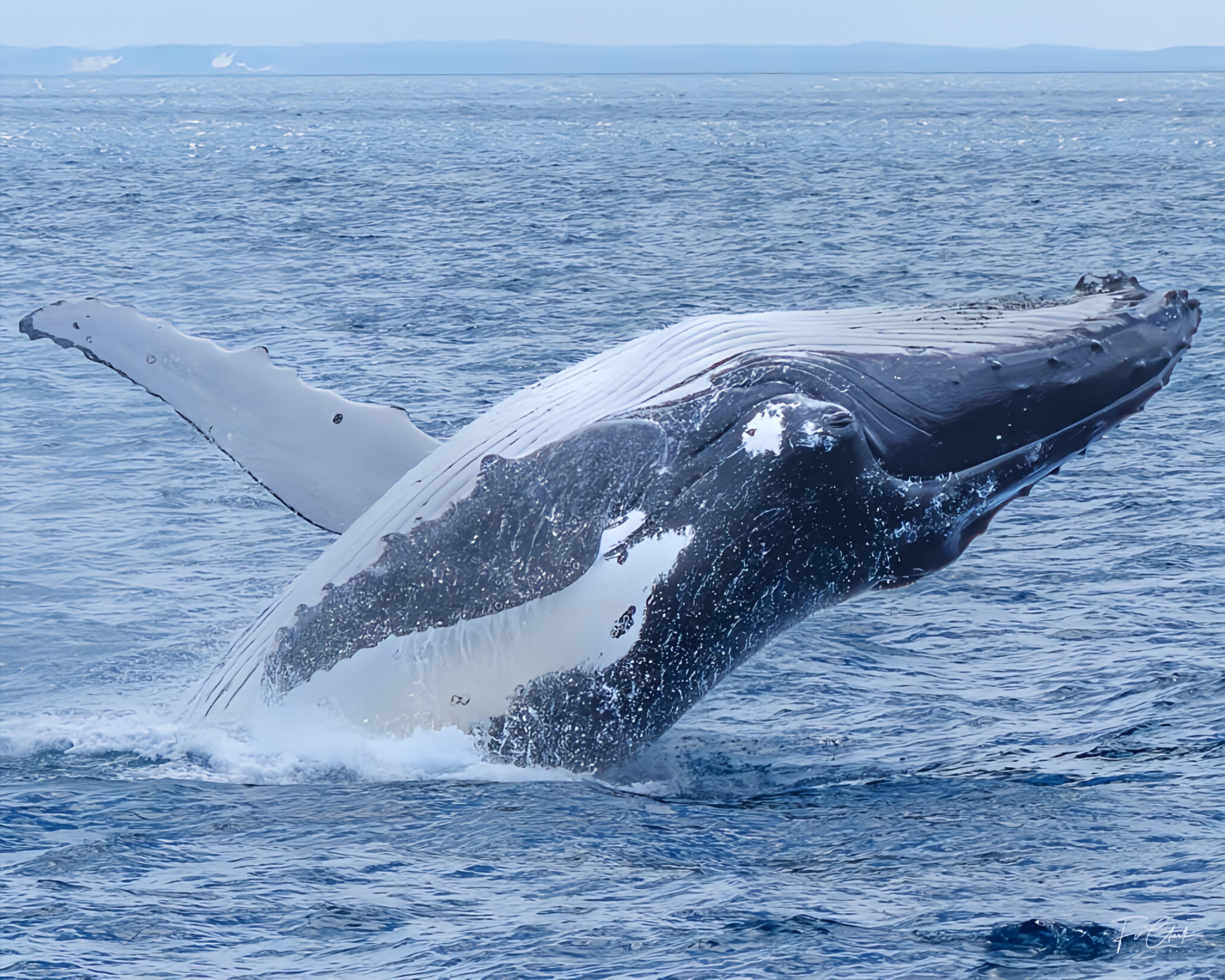
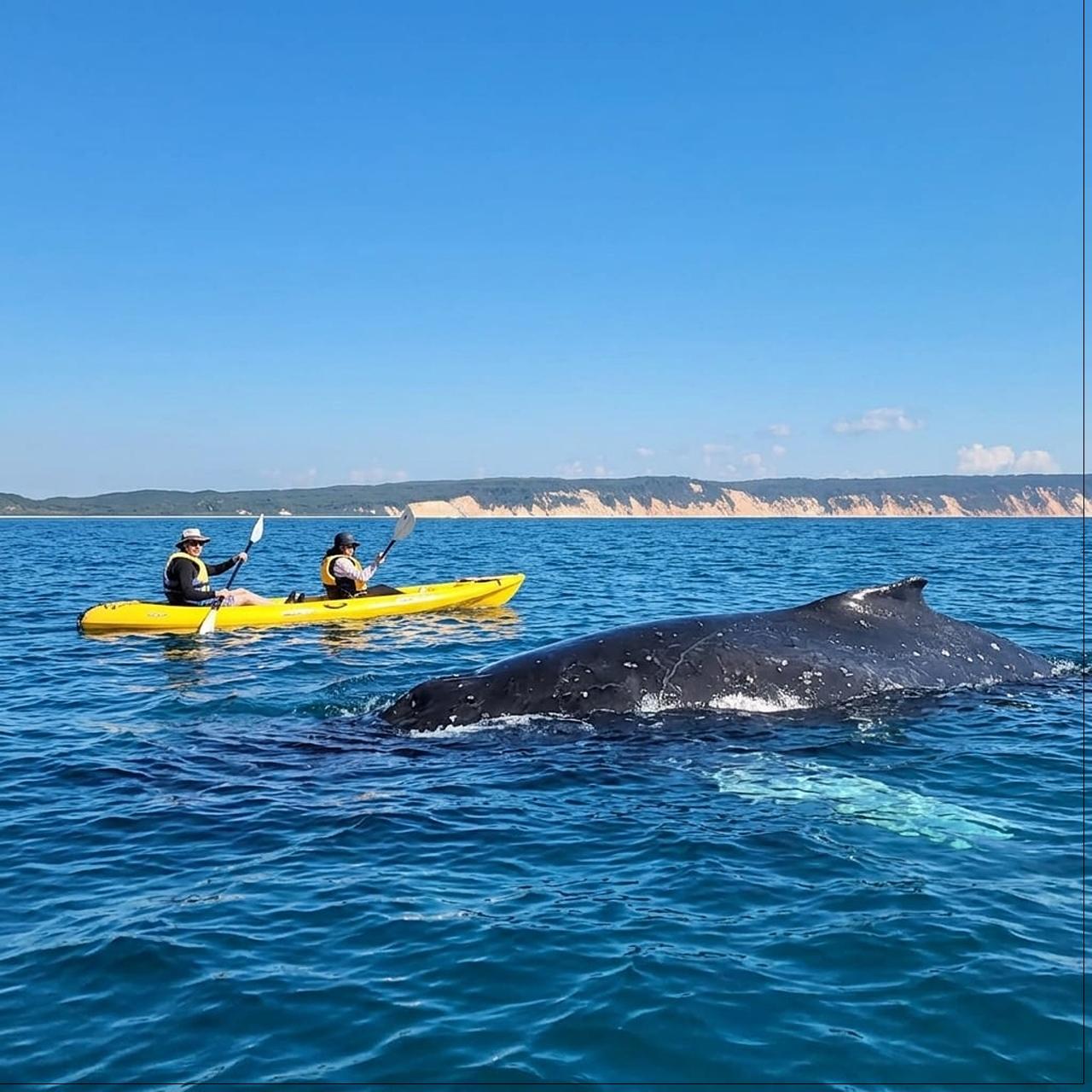
Witness 40-tonne humpbacks breach off Noosa's coastline, migration season June through November
Hand-picked by our editors — only the best 4 whale watching experiences from 12 reviewed
Verified partners for Noosa Whale Watching tours, free cancellation where available, and instant confirmation on every booking.
2 hr
Get up close to migrating humpback whales on an intimate small-group ocean safari along Noosa's coastline
Reserve
2 hr
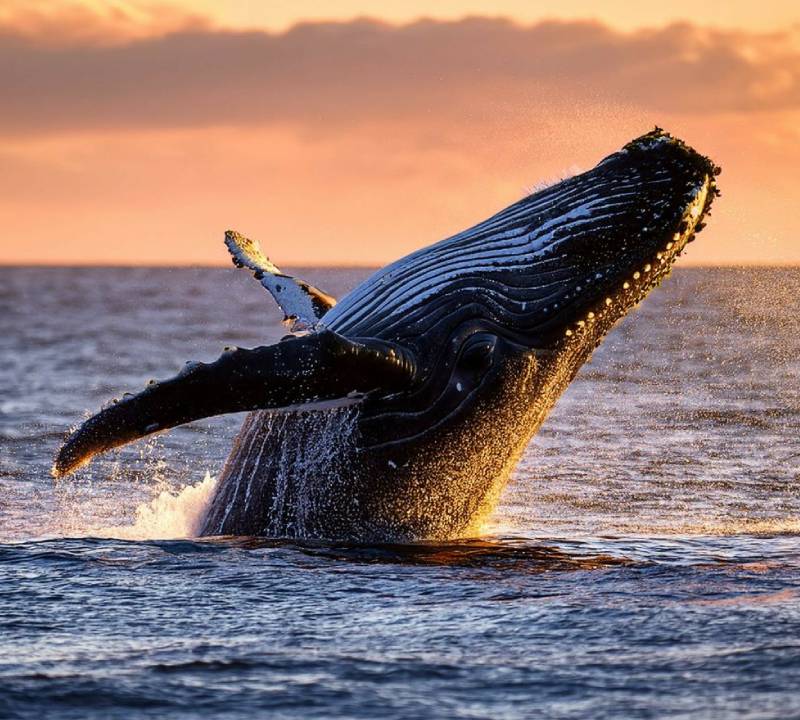
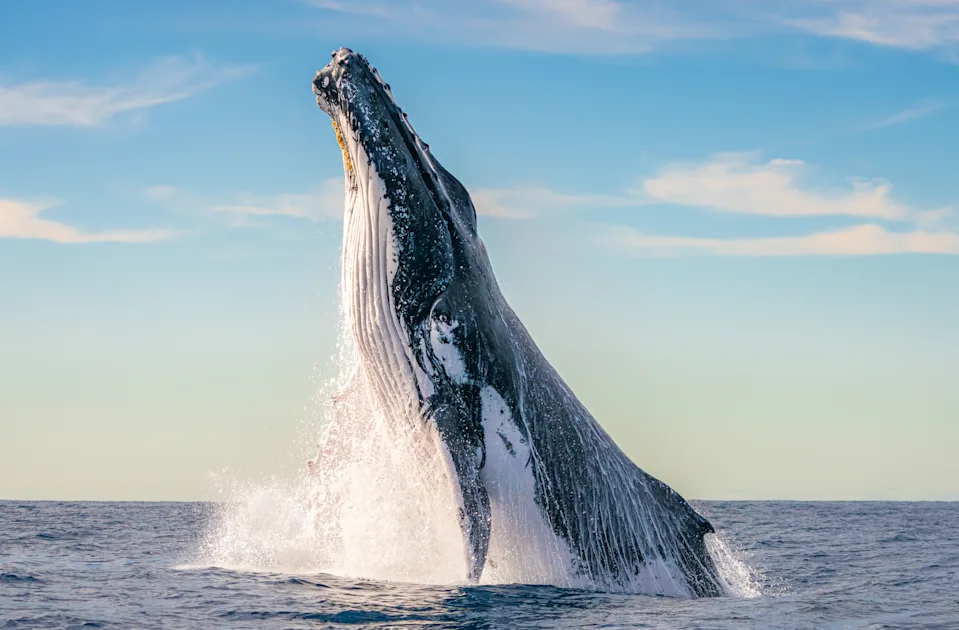
Experience humpback whales breaching and playing during their migration journey along Noosa's stunning coastline.
Reserve
6 hr
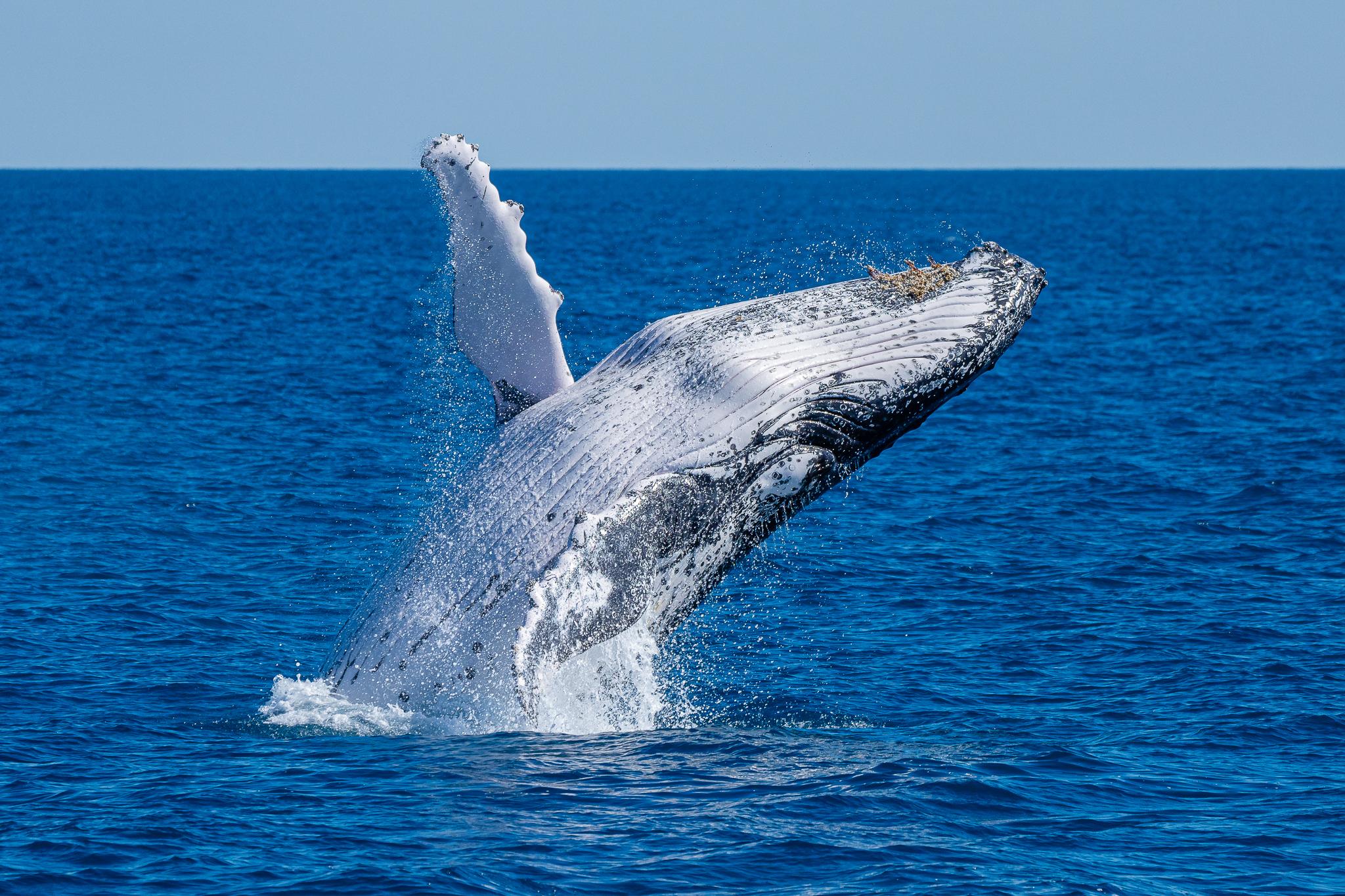
Paddle alongside migrating humpbacks in a remote national park sanctuary, accessed by beach 4WD
ReservePrices from verified partners. Availability updates in real time at checkout. Free cancellation policies apply where shown.
Every Noosa Whale Watching tour side-by-side — duration, what's included, how you redeem.
| Experience | Duration | Rating | Skip-the-line | Guide | Small group | Free cancel. | Price | |
|---|---|---|---|---|---|---|---|---|
|
Standard Entry Most popular
Noosa Humpback Whale Watching Adventure
|
2 hr | ★ 4.8 | — | ✓ | ✓ | ✓ | €60 | Book → |
|
Standard Entry
Noosa Whale Watching Ocean Cruise
|
2 hr | ★ 4.6 | — | ✓ | ✓ | ✓ | €60 | Book → |
|
Guided Experience
Ocean Kayak Whale Watching & 4WD Beach Adventure
|
6 hr | ★ 4.9 | ✓ | ✓ | ✓ | ✓ | €107 | Book → |
All prices from verified partners. Availability and exact terms confirmed at checkout.
They complement each other; most visitors who do both call Hervey Bay the more intimate experience while noting noosa whale watching offers a rugged coastal backdrop. These noosa whale watching tours provide a distinct perspective on marine migration compared to the sheltered waters of the rival destination.
| Feature | Top pick Noosa | Hervey Bay |
|---|---|---|
Whale behavior |
Passing through migration | Resting and socializing |
Travel distance |
Close to open ocean | Sheltered bay waters |
Interaction potential |
Moderate engagement | High curiosity interactions |
Boat size |
Smaller, agile vessels | Larger, multi-deck vessels |
Tour duration |
2–4 hours | 3–5 hours |
| See tickets → |
Verdict: Choose a noosa whale watching tour if you prefer a coastal adventure, or select Hervey Bay for longer sessions focused on the whale pod's social activity after securing your noosa whale watching tickets.
Choose your ticket, select your date, and reserve in under two minutes. Secure checkout handled by our verified partner.
Instant confirmation by email, with a mobile voucher you can save offline. No printing, no queuing at a collection desk.
Arrive at the entrance, show your voucher on your phone, and walk in. Most tickets include priority or skip-the-line access.
Practical details for Noosa Whale Watching tickets straight from our verified partners — hours, access, rules, and how to get there.
194 Gympie Terrace, Noosaville, QLD 4566
Primary hub for local operators
Open in Google MapsFree parking is available near Gympie Terrace, though spaces fill quickly during peak season.
Wear comfortable clothing suitable for a marine environment and prepare for sun exposure. A light jacket or windbreaker is recommended as Noosa whale watching tours can be breezy on the water.
Only small, handheld personal items are permitted on board. Large bags, backpacks, and bulky luggage are prohibited on noosa whale watching tours for safety and space reasons.
Cameras and phones are encouraged to capture the marine wildlife during your noosa whale watching tour. Use waterproof housing or protective gear to shield electronics from sea spray.
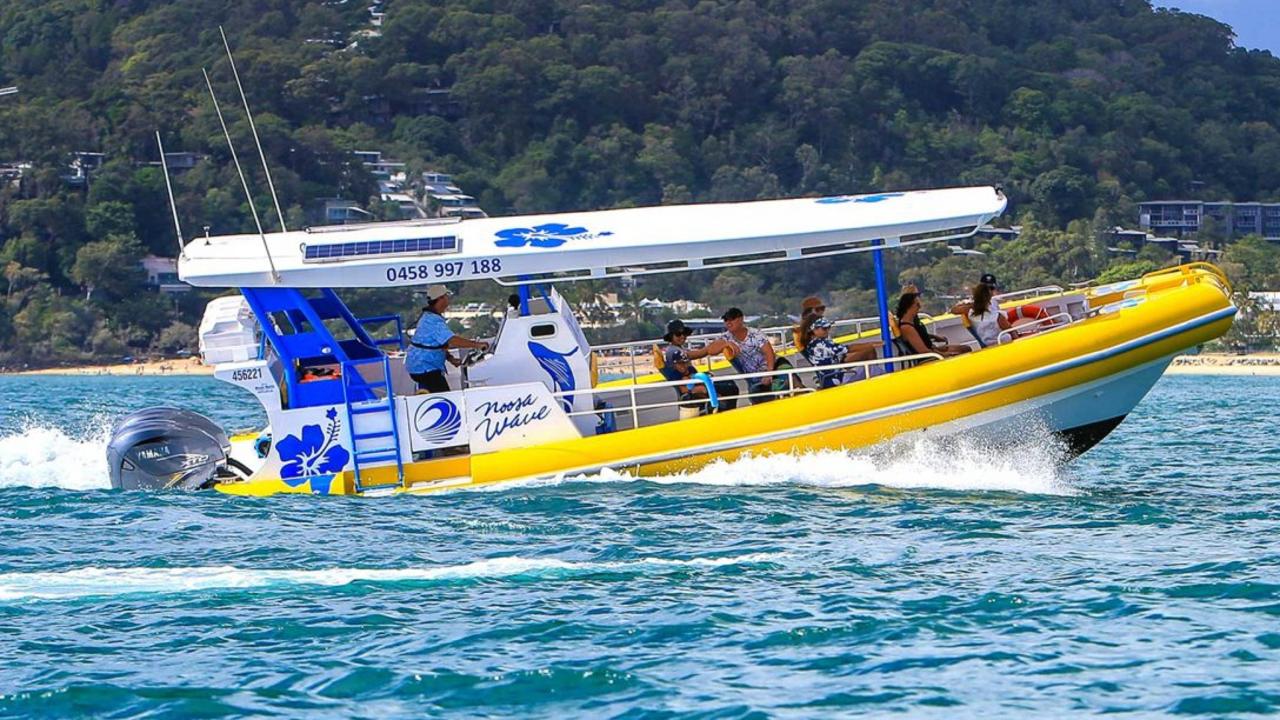
Most noosa whale watching tours utilize rigid inflatable boats that require agility to board and navigate. These vessels are generally not suitable for those with limited mobility or serious spinal conditions.
Mobile phones are permitted for photos and to record the sounds of the ocean. Ensure your device is secured, as operators are not liable for items lost at sea during noosa whale watching.
Families are welcome, with most noosa whale watching tours providing life jackets for children. Children usually need to be at least 6 years old to participate, depending on the operator's specific safety policies.
Most noosa whale watching tours do not include meals; carry bottled water and small snacks if needed. Avoid heavy meals before boarding to reduce the risk of motion sickness.
Animals are not allowed on noosa whale watching tours. Only certified service animals may be permitted, and you must arrange this directly with the boat operator in advance.
Arrival 30 minutes before your scheduled departure is mandatory for the safety briefing and waiver signing. Check the official Noosa whale watching operator site for specific tide-related updates.
194 Gympie Terrace, Noosaville, QLD 4566
Primary hub for local operators
Get directionsBest time to go, insider tips, nearby landmarks, and the cancellation fine print — flip through to skim what matters to you.
How crowds, weather, and events shift across the year.
Early migration begins, often with calmer waters for boat travel.
Small details that turn a good visit into a great one.
Always arrive at least 30 minutes before departure for your noosa whale watching tour. Late arrivals may risk forfeiting their spot due to tide-dependent schedules.
Non-bookable sights within a short walk — free to visit, easy to pair.
Features coastal trails and clifftop lookouts for land-based whale spotting.
Flexible, no hidden fees.
A 24-hour notice is typically required for a full refund on noosa whale watching tours. Cancellations due to weather by the operator result in a full refund or rescheduling options.
Hand-picked options within walking distance — pick a district for vibe, or a specific hotel for convenience.
Located directly on the river with easy access to departure jetties.
Every winter, more than 30,000 humpback whales traverse Australia's eastern seaboard in the longest mammalian migration on Earth, and Noosa's sheltered bays offer front-row access to the spectacle.
The northbound leg peaks between June and August as pregnant females lead calves toward warmer breeding grounds in the Coral Sea, while the return journey from September through November brings playful juveniles and protective mothers within metres of the continental shelf. Noosa's shallow coastal plateau forces migrating pods into narrow corridors just three kilometres offshore, compressing the migration path into a predictable viewing zone that stretches from Double Island Point to the Sunshine Coast hinterland.
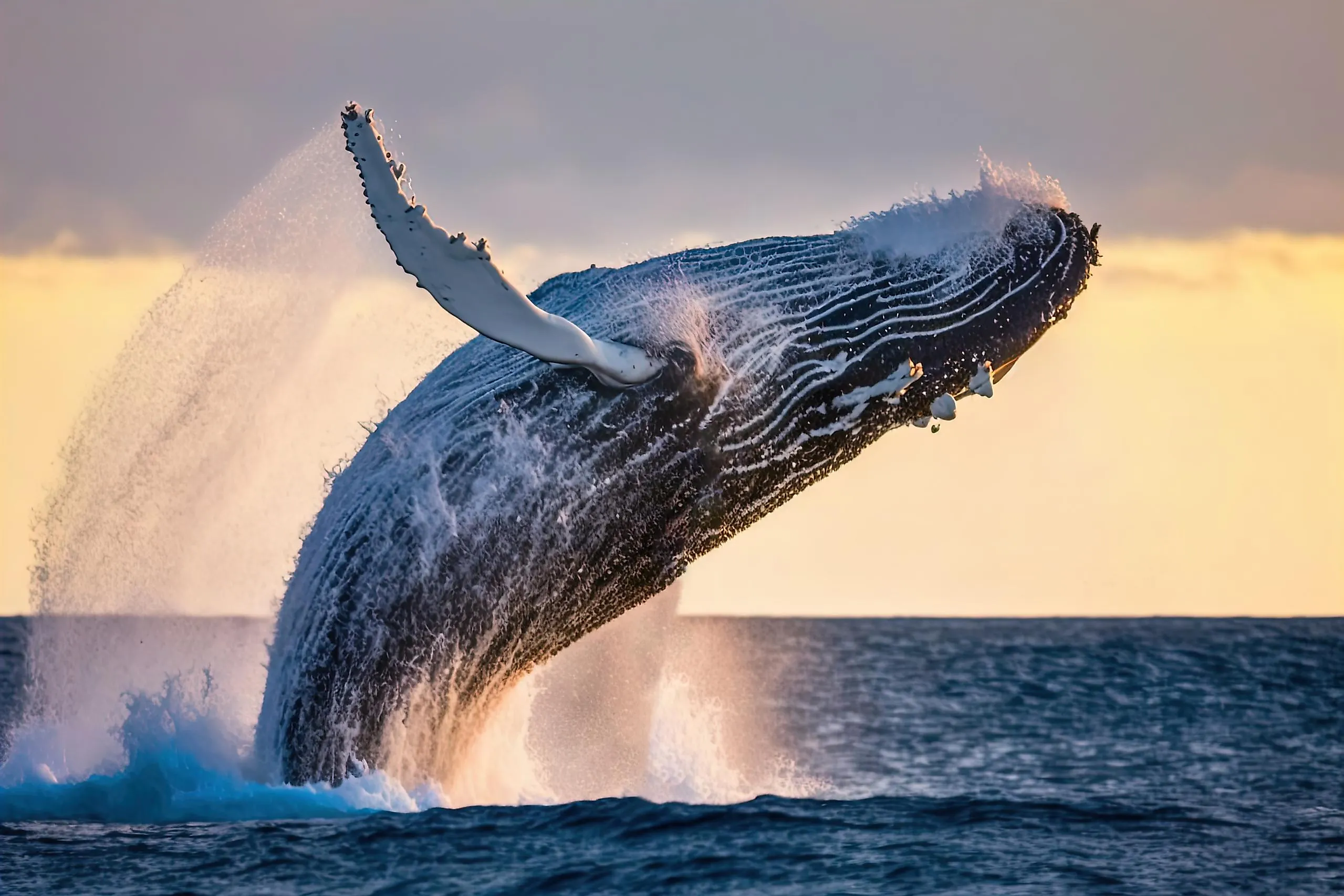
Noosa whale watching season transformed from opportunistic sightings to a structured tourism industry in the early 2000s, when marine biologists confirmed that humpback populations—decimated to fewer than 500 individuals by 1960s whaling—had rebounded to pre-exploitation levels exceeding 40,000. The recovery, attributed to international whaling bans enacted in 1986, turned Noosa's coastline into one of Queensland's most reliable whale observation platforms. Tours departing from Gympie Terrace in Noosaville navigate the Noosa River estuary before entering open water, where hydrophones pick up the low-frequency songs males broadcast across ocean basins during courtship. Breach frequency—the explosive leap in which a 15-metre whale clears the surface—peaks in the shallow waters of Laguna Bay, where juveniles practice the behaviour that scientists believe serves both communication and parasite removal functions.
Noosa whale watching cruises operate under strict Commonwealth marine park regulations that mandate 100-metre buffer zones and prohibit vessel approaches within 300 metres of calves, ensuring encounters remain non-invasive. Skippers rely on spotter networks and real-time marine traffic coordination to position vessels along predicted migration paths without disrupting pod behaviour. The experience differs from pelagic whale watching in deeper offshore zones; Noosa's coastal proximity allows observation of full behavioural repertoires including tail slapping, pectoral fin waves, and spy-hopping, the vertical position whales assume to scan above-water environments. Sightings occur on 95 per cent of departures during peak weeks, a reliability driven by the species' fidelity to ancestral migration corridors that have remained unchanged for millennia.
"Noosa's shallow coastal plateau compresses the humpback migration into a three-kilometre viewing corridor, creating 95 per cent sighting reliability during peak season."
A step-by-step walkthrough of Noosa Whale Watching tickets — what you'll see, how long each stage takes, and the details that matter.
You board at Gympie Terrace by 8:00 AM, where crew brief you on hydrophone technology and whale identification markers—the unique patterns on tail flukes that researchers use to track individual animals across decades.
The vessel clears the Noosa River mouth within 20 minutes, entering the open water corridor where spotter reports have confirmed morning pod activity. You scan the horizon for blows—the vertical spray of condensed breath that marks a surfacing whale—and within the first half-hour, a juvenile breaches 200 metres off the starboard bow, its 30-tonne body clearing the surface in a rotation that sends spray across a 50-metre radius.
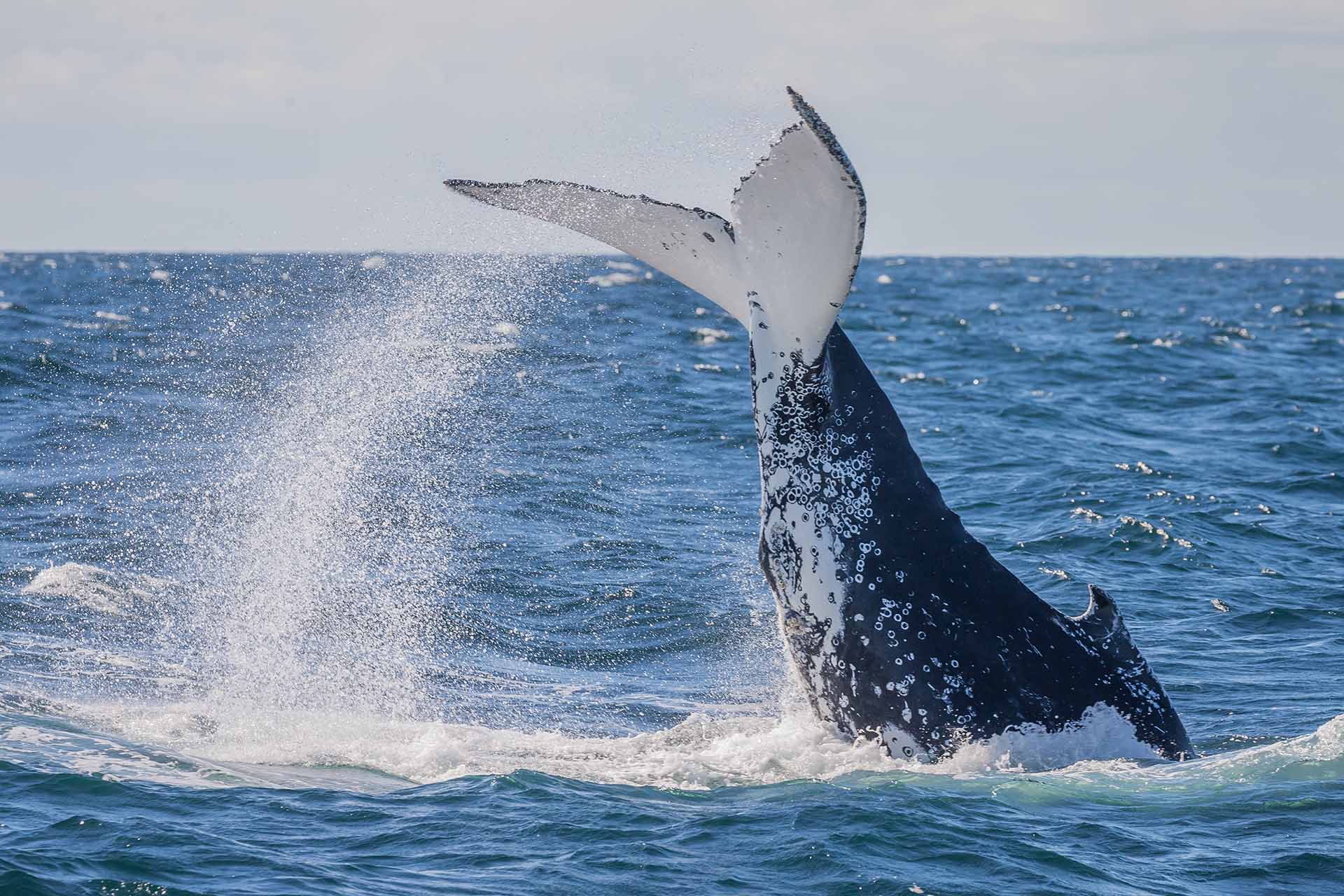
The skipper cuts the engine, allowing the vessel to drift as a mother and calf surface in synchronised breathing cycles, the calf's smaller blow appearing seconds after the adult's exhalation. You watch through polarised lenses as the pair dive, their tail flukes lifting in the arched posture that signals a deep descent, and the hydrophone broadcasts the rhythmic clicks of echolocation as the whales navigate beneath the hull. The return journey follows the coastline past Alexandra Bay, where a competitive pod of four males engages in surface-active behaviour—repeated breaches and pectoral slaps—that crew interpret as courtship display. You disembark at noon with SD cards full of breaching sequences and the hydrophone recording of a male's song, a 20-minute composition repeated without variation throughout the two-hour departure.
Operators typically open from 08:00–17:00 daily to handle bookings and departures for noosa whale watching.
Most operators require a 24-hour notice for a full refund on noosa whale watching tickets. Always check the operator's specific policy provided at booking.
Bring sunscreen, a hat, water, and a light jacket on your noosa whale watching trip. Only small, handheld items are allowed on the boat.
Yes, noosa whale watching tours are family-friendly, usually for ages 6 and up. Ensure life jackets are fitted by the crew before the boat departs.
Yes, you are encouraged to take photos during your noosa whale watching adventure. Keep your phone secure and protected from sea spray.
Yes, you must arrive 30 minutes before your noosa whale watching tour departs for the mandatory safety briefing.
If weather forces a cancellation of your noosa whale watching tour, operators will offer a full refund or an alternative date.
The entrance fee is 110 AUD per adult for a noosa whale watching tour, though exact prices vary by operator.
Combine your noosa whale watching tour with a visit to Noosa National Park or a scenic walk along the Noosa River.