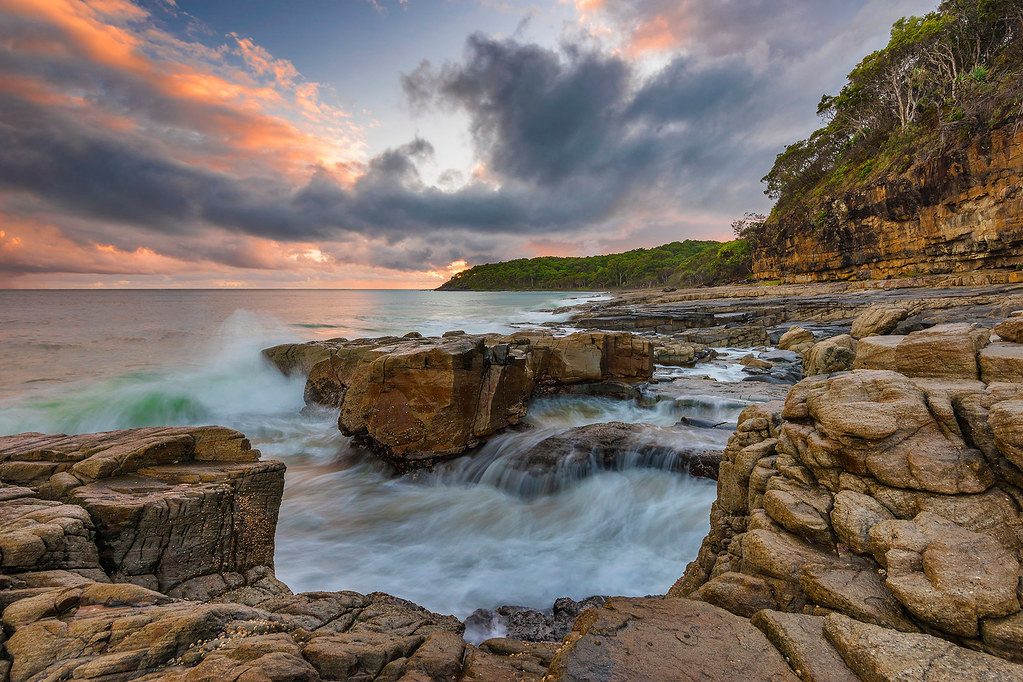
Boiling Pot
Early morning
This rocky outcrop offers a direct view of the coastline where whales often pass close to the shore. Access via the coastal track.

Every winter, thousands of humpback whales migrate north past Noosa's coastline, creating one of Queensland's most accessible wildlife spectacles. The season stretches across six months, but timing determines whether you see calves, breaching adults, or empty ocean. Here's what controls the window and how to plan around it.
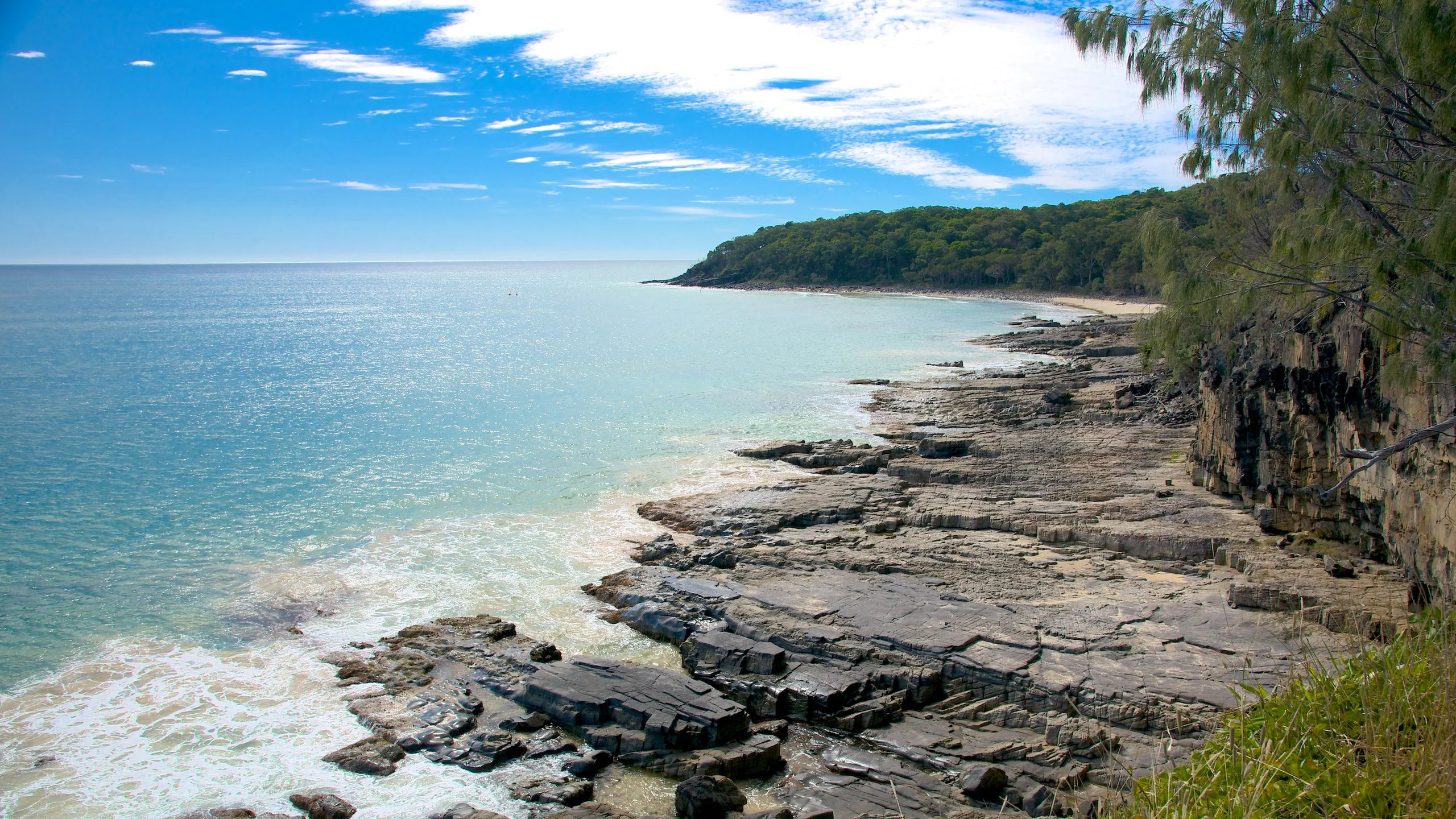
Quick answer
The noosa whale watching season runs from June through November, with peak activity between mid-July and late September. During these months, humpback whales migrate north from Antarctic waters to breed in the Coral Sea, then return south with their calves. The northbound leg (June to August) brings larger pods and more energetic surface behavior, while the southbound journey (September to November) showcases mothers with newborn calves moving closer to shore.
More than 30,000 humpback whales pass through the waters off Noosa each year, making it one of the most reliable whale migration corridors on Australia's east coast. The noosa whale watching season guide begins in early June when the first pods appear on their northbound journey, driven by the ancient rhythm of Antarctic winter. By mid-July, the migration reaches full volume—some days see over 200 individuals passing within visual range of shore-based lookouts. Noosa National Park's coastal walk provides unobstructed sightlines across the migration path, positioning observers 60 meters above sea level where whales surface within 500 meters of the headland. Humpbacks favor the protected channel between the mainland and Fraser Island, funneling the migration into a predictable corridor. Early mornings between 6 AM and 10 AM offer the calmest sea conditions and best light angles for spotting blows, breaches, and tail slaps. The northbound phase peaks in late July and early August, when competitive pods of males escort females toward breeding grounds, creating the season's most dynamic surface activity. The migration reverses in September. Southbound whales move more slowly, often lingering in sheltered bays while newborn calves build strength for the Antarctic crossing. Mothers with calves travel closer to shore, sometimes within 200 meters of the rocks at Granite Bay and Alexandria Bay. This phase extends through November, though sightings taper after mid-October as the last stragglers complete their journey. Water temperature and krill availability in southern oceans determine the exact timing each year—mild Antarctic winters can delay departure, extending the noosa whale watching season into early December. Shore-based viewing from Noosa National Park requires no booking and costs nothing, but offshore tours operated by local charter companies provide closer encounters and hydrophone listening. The park's headland track connects five lookout points across 2.7 kilometers, each offering different vantage angles. Binoculars extend your range, though breaches and tail slaps are visible to the naked eye on clear days. The humpback's 12-meter body and distinctive white-patterned fins make identification straightforward even at distance.
“By mid-July, the migration reaches full volume—some days see over 200 individuals passing within visual range of shore-based lookouts.”
The Noosa whale watching season typically runs from June through November as humpback whales migrate along the coast. Arriving during the best arrival window of 06:00–10:00 provides the most favorable light and calmer sea conditions for spotting.
Cooler, 15°C to 22°C; peak activity.
Early migration phase sees whales moving north toward warmer breeding grounds.
Warmer, 18°C to 26°C; clear skies.
Return migration south often includes mothers with calves close to the shoreline.
—
This period offers optimal light and calm ocean conditions for sighting whales from the coast.
Verdict: The best time to visit is between June and November, arriving daily between 06:00 and 10:00 to capitalize on calm morning sea conditions.
Noosa National Park remains accessible to the public 24 hours a day, allowing visitors to enter at any time. While the park is open daily, visitors should align their arrival with daylight hours to observe whale activity.
Costs for whale watching in Noosa depend on your choice between independent shore-based viewing or booking a commercial vessel. Shore-based viewing within Noosa National Park remains accessible at no cost.
Verdict: While shore-based observation is free, commercial whale watching tour prices vary depending on the operator and specific tour inclusions.
Noosa National Park is located at Noosa Heads, QLD 4567. The main entrance is accessible via the northern end of Park Road, which serves as the primary gateway for coastal trail access.
Follow David Low Way or Eenie Creek Road to Park Road, Noosa Heads
Translink route 627 to Noosa National Park stop
Follow the coastal boardwalk from Noosa Main Beach
Parking at the main entrance fills rapidly; using the free shuttle service or walking from Noosa Main Beach is recommended during high-traffic periods. Aim to reach the park within the best arrival window of 06:00–10:00 to secure parking and experience optimal sea conditions.
Early morning
This rocky outcrop offers a direct view of the coastline where whales often pass close to the shore. Access via the coastal track.
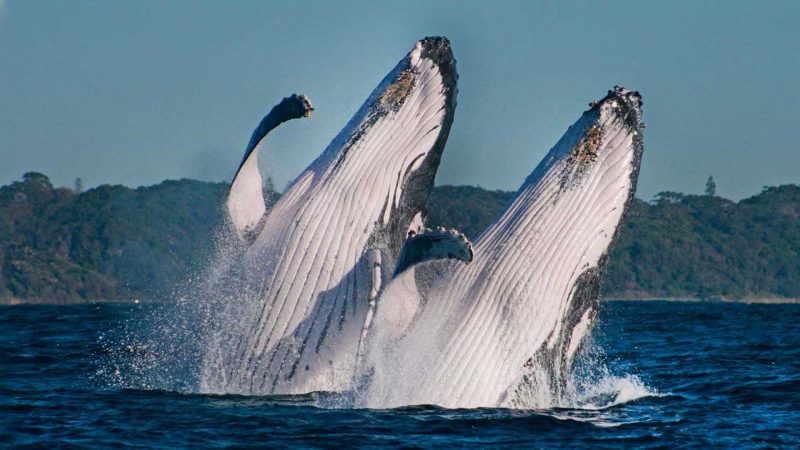
Early morning
Located further along the main trail, this elevated position provides a wide vantage point for tracking surface activity. Access requires walking from the main beach.
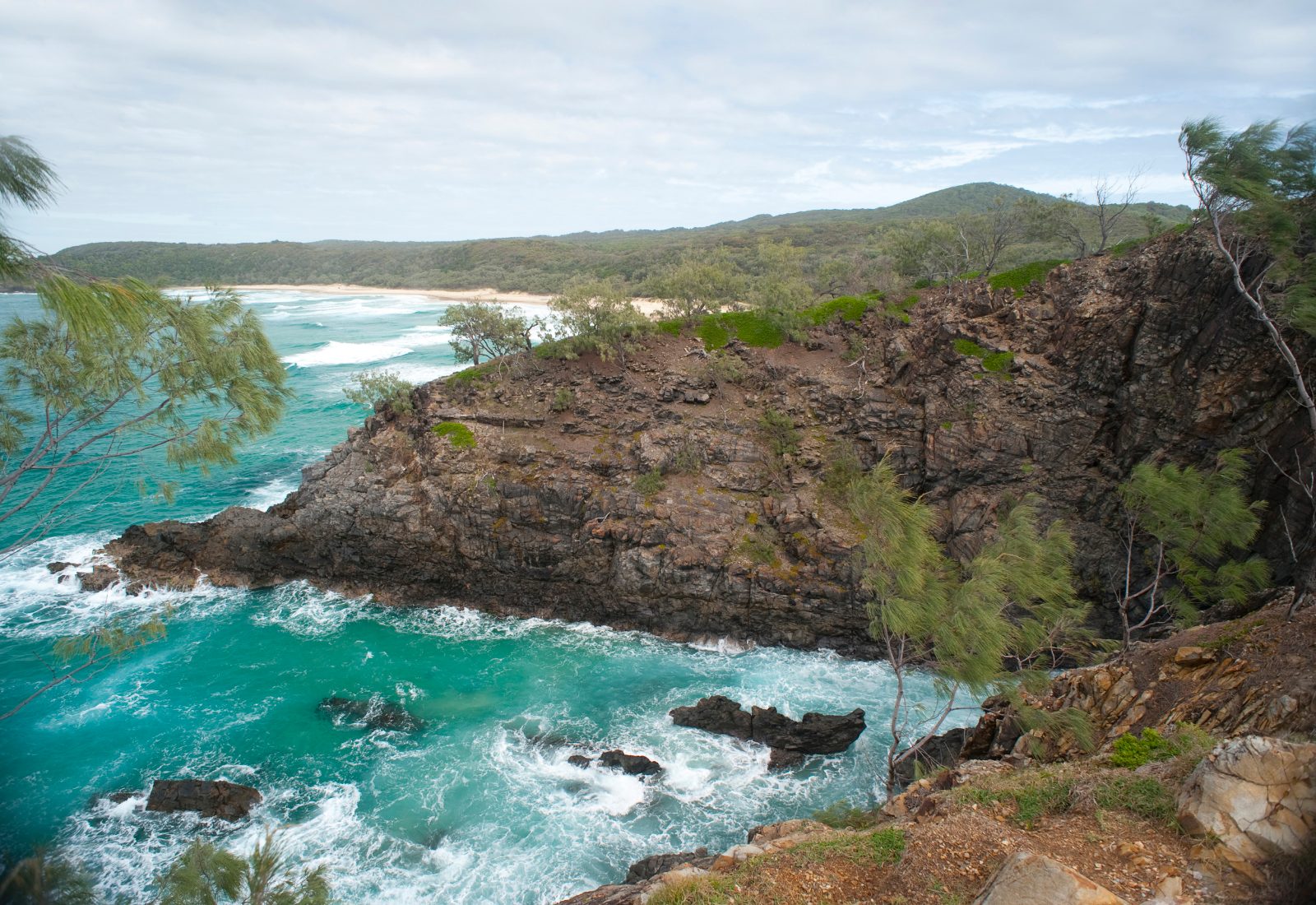
Early morning
This vantage point offers a dramatic perspective of the gap between the headlands where whales are frequently sighted. Follow the national park track to reach the cliff edge.
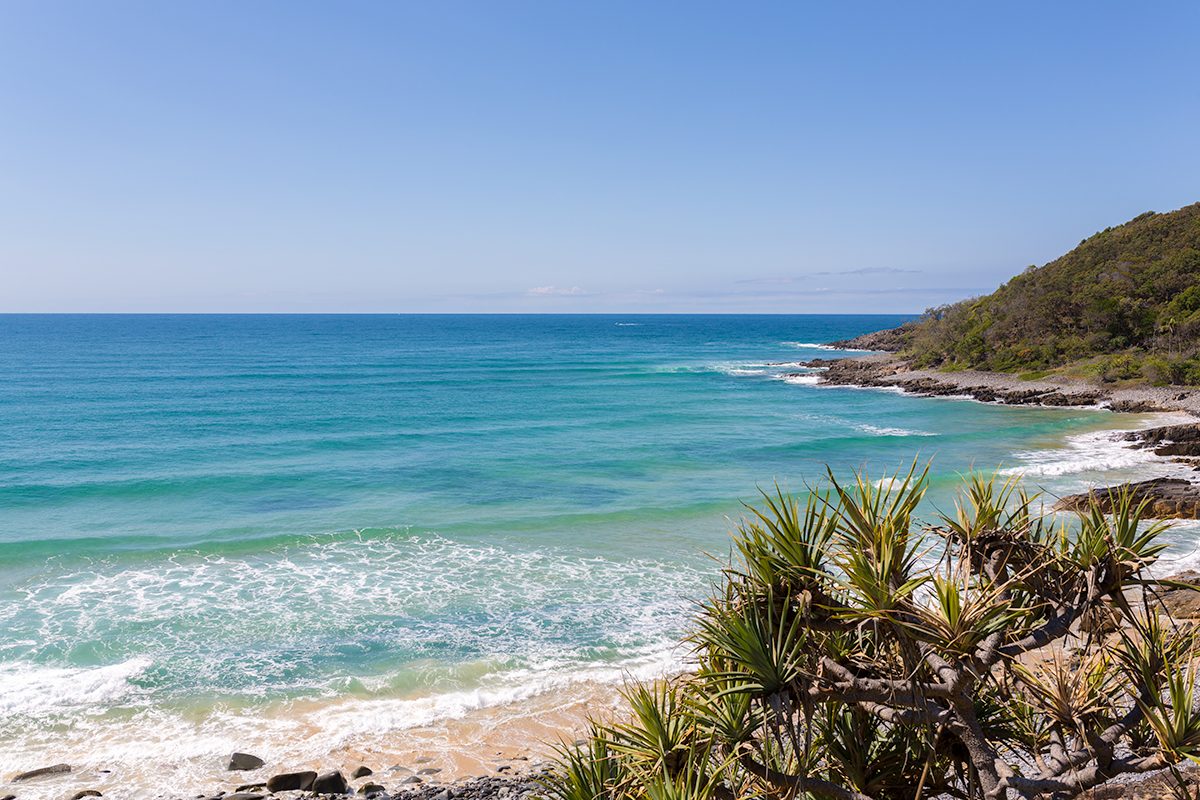
Early morning
A lower vantage point that provides a unique angle looking up at the passing migratory path. Reachable via the winding coastal path through the park.
Prepare these essentials to make the most of whale watching from Noosa's coastal vantage points.
Everything you need to know about noosa whale watching season
The noosa whale watching season typically runs from June through November as humpback whales migrate along the coastline. You can often see these marine mammals breaching and tail-slapping from elevated headlands during this period.
Shore-based viewing in Noosa National Park is free, with an entrance fee of 0 AUD. You do not need a ticket to walk the coastal tracks and scan the ocean for whale activity.
The best arrival window is 06:00–10:00 to take advantage of optimal light and calmer morning sea conditions. These early hours provide the clearest visibility for spotting whale pods before the wind increases.
Yes, various local operators provide boat tours during the noosa whale watching season to get you closer to the action. These excursions are organized independently, and you can find booking options through our dedicated activity portal.
Local experts offer educational boat trips to observe humpback behavior in their natural habitat. These tours provide in-depth information about migratory patterns and marine conservation efforts in the region.
Most visitors find that a half-day trip allows sufficient time to hike to prime vantage points and observe the ocean. Ensure you allow enough time to navigate the trails within Noosa National Park effectively.
The coastal walks and boat trips are popular for families interested in marine life. Always keep children close on the cliffs and ensure they are prepared for the walk with appropriate footwear.
Access is easiest via Noosa National Park, which serves as a central hub for coastal exploration. You can reach the park easily by car or local transport and utilize the walking tracks for coastal observation.